
Lion Habitat
Where the desert adapted lions of the Kunene came from, and how fences and farming shaped their home ranges.
Desert adapted lion habitat
Our work
DeLHRA is a voluntary non-profit organisation founded in 2017, working together with local farming communities to preserve wildlife within the Kunene region of Namibia.
See the conservancies we work withMission
The primary function of DeLHRA is to mitigate conflict between humans and wildlife in the Kunene region of Namibia. We engage in a drive to find a permanent solution for human-lion conflict between Namibian desert lions and the communities that share their range.
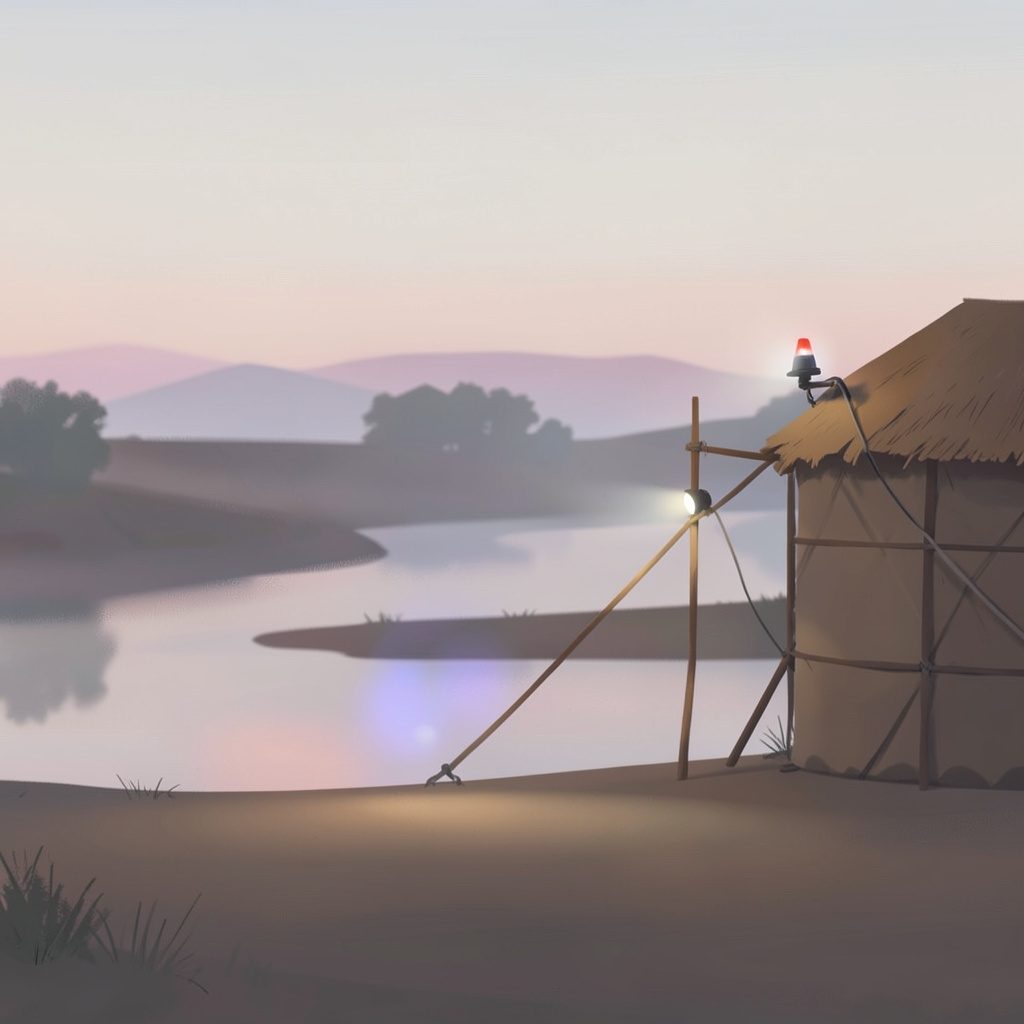
To do that, we supply farmers with the tools and know-how to protect their livestock and, ultimately, their livelihoods. Practical measures include shade cloth for livestock enclosures and self-contained motion-detecting lights with integrated sirens that warn off predators.
Read more about the desert adapted lion habitat where this work takes place.
Vision
In addition to supporting farmers directly, DeLHRA seeks to allow farmers to benefit directly from the growing tourism industry. Where wildlife earns income for the people who live alongside it, preserving desert-adapted lions becomes a shared, self-sustaining choice rather than a cost.
The organisation is based in Swakopmund, Namibia, and works through formal agreements with farming conservancies in the Kunene Region.
Farmers of the different conservancies
DeLHRA is a voluntary, non-profit organisation founded in 2017 that works alongside local farming communities to preserve wildlife in the Kunene region of Namibia. Rather than operating as a commercial body, the organisation exists to protect the desert lion and the people who share its range. Its founding purpose was simple and urgent: to find a permanent, workable solution to human-lion conflict, so that both lions and livestock keepers can continue living in the same landscape without fear.
Mitigating conflict between humans and wildlife is the primary function of DeLHRA. The organisation engages in a sustained drive to reduce the losses that push communities toward retaliatory behaviour, supplying farmers with practical tools and equipment, supporting protective structures such as shade cloth and livestock enclosures, and helping to keep problem animals monitored and contained. Conservation here is measured in fewer animals lost, fewer animals killed, and more families able to stay on their land.
The wider mission extends to keeping an eye on the desert lion population, which faces the risk of extinction if conflict management fails. DeLHRA supports ongoing monitoring of prides and individual movements, shares information with communities, and raises funds for protective infrastructure and education. By combining hands-on conflict mitigation with public awareness, the organisation aims to secure the long-term survival of the desert lion within the conservancies of the Kunene region.
Feedback from the farmers
“Being a farmer in the Sesfontein Conservancy means living alongside these desert lions every single day, and losing livestock to them when we are not prepared.”
Steven Kasaona, Farmer, Sesfontein Conservancy
We support both communal and commercial farmers with corral-building materials and predator-deterrent equipment, so that fewer animals are lost and fewer livelihoods are put at risk.
Where the desert adapted lions of the Kunene came from, and how fences and farming shaped their home ranges.
Desert adapted lion habitat
Background on the named prides of the Kunene region and the individual lions known to our field teams.
Desert lion prides
Field trip reports and updates on desert lion welfare, poisoning incidents and drought in the Kunene.
Read the blog and newsDeLHRA funds its field support through sponsors and donors, and works towards a compensation fund for livestock losses. Get in touch to find out how to help the farmers of the Kunene.